The Frontiers of Technology: What’s New & What’s Next
By CMN – Exploring Innovation, Empowering Communities
In a world evolving faster than ever, technology is no longer just a background tool — it’s the driver of change in education, communication, health, and sustainable development. At CMN, we believe that understanding technology means understanding the forces shaping our shared future.
Here are the key technology trends defining 2025 and beyond, and what they mean for communities, innovation, and inclusion.
1. Agentic AI & Autonomous Systems
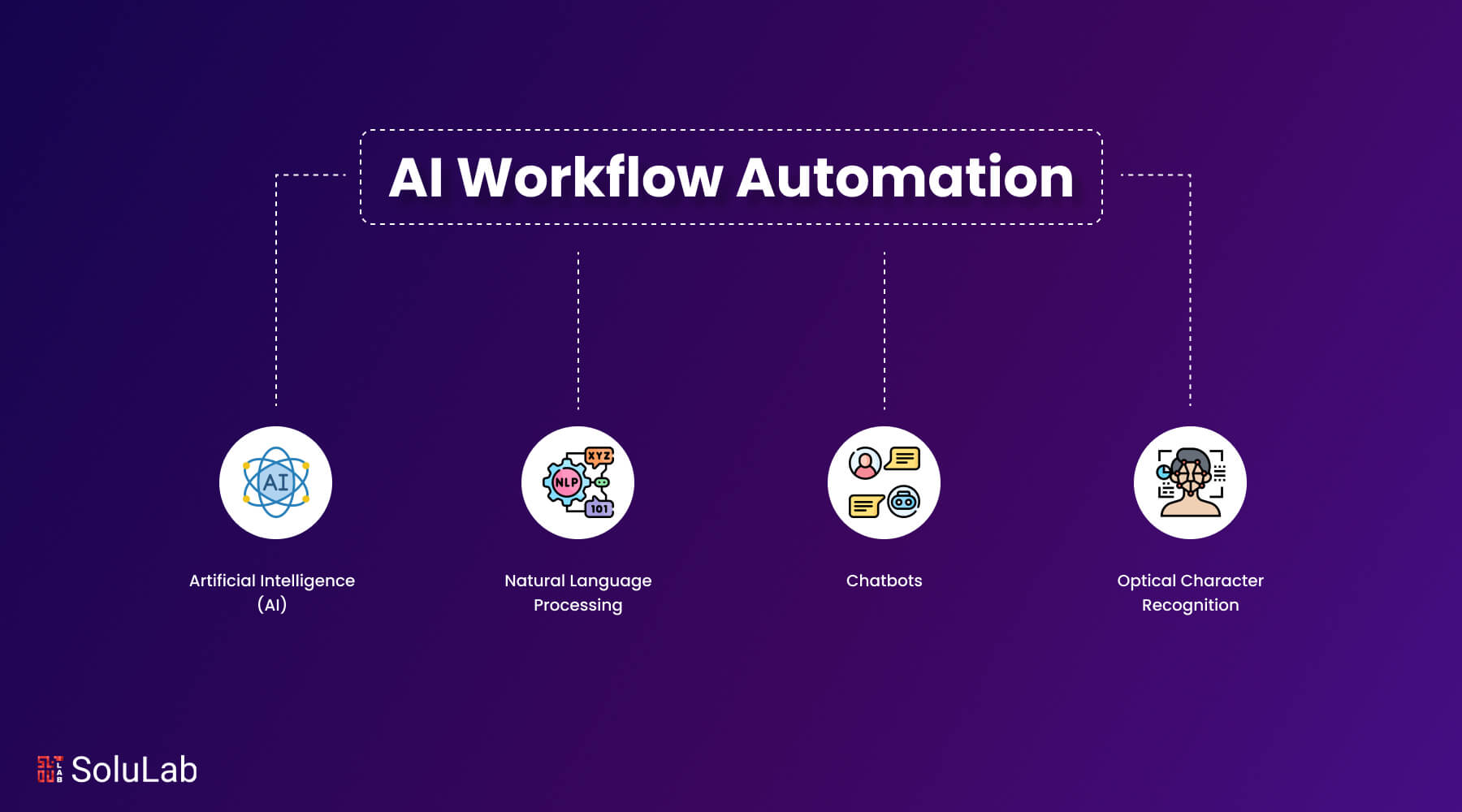
Artificial Intelligence has entered a new phase — from responding to human commands to acting independently. Known as agentic AI, these systems can plan, decide, and execute tasks with minimal supervision.
From managing workflows to supporting decision-making in business, healthcare, and education, AI is becoming a trusted “co-worker.”
For communities, this evolution offers efficiency and insights but also raises questions about ethics, job displacement, and accountability. The challenge is ensuring that AI empowers people rather than replacing them.
2. Digital Infrastructure: IoT & Edge Intelligence
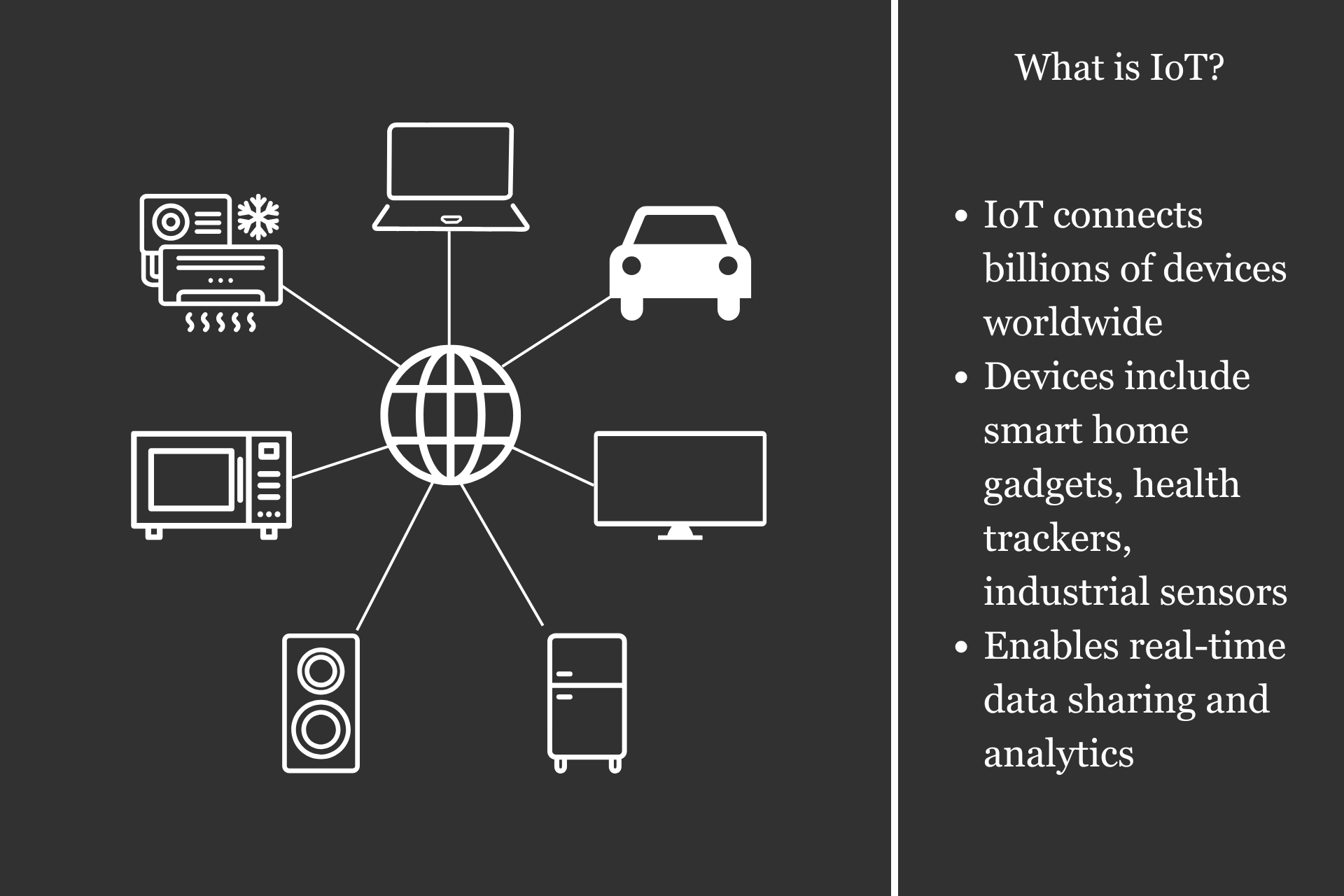
The Internet of Things (IoT) connects billions of devices, creating networks of sensors that collect and share data. Now, with edge computing, devices can process data locally — improving speed, privacy, and reliability.
For development and community use, this means smarter cities, more efficient energy systems, and real-time environmental monitoring. Yet, it also calls for stronger digital literacy and privacy protection to ensure everyone benefits.
3. Spatial Computing & XR (Extended Reality)

Beyond virtual reality (VR), spatial computing integrates physical and digital worlds. It’s used in training, education, and design, helping people visualize and interact with data in immersive 3D environments.
For CMN and similar organizations, XR tools could enhance remote learning, community workshops, and interactive donor engagement — making impact stories more vivid and relatable.
4. Quantum & Post-Quantum Technologies

Quantum computing represents the next giant leap in processing power, solving problems that traditional computers can’t. Meanwhile, post-quantum cryptography is preparing systems for new levels of data security.
Though still emerging, these innovations will affect privacy, cybersecurity, and digital infrastructure — key areas for institutions managing sensitive community or donor data.
5. Connectivity: 5G Expansion & 6G Research

As 5G networks continue expanding globally, connectivity becomes faster and more reliable, enabling real-time applications from remote healthcare to smart transport. Meanwhile, research into 6G aims for ultra-fast, low-latency communication that will power the next generation of digital innovation.
For developing regions, expanding network access is vital for inclusion — closing the gap between connected and disconnected communities.
6. Sustainability & Green Technology

The future of technology is also green. From energy-efficient data centers to renewable-powered cloud systems, companies and governments are embracing sustainable innovation.
At CMN, we view technology not just as progress, but as responsibility. Green tech helps reduce emissions, conserve energy, and create long-term environmental balance — aligning perfectly with sustainable development goals.
7. Security, Privacy & Digital Identity

As our lives move online, cybersecurity becomes a cornerstone of digital trust. Advances in AI-powered threat detection, zero-trust architectures, and decentralized identity systems (DID) are reshaping how we protect data.
For organizations like CMN, these tools are essential in safeguarding donor data, community records, and online interactions, ensuring digital empowerment does not come at the cost of privacy.
8. Emerging Frontiers: Wearables, Biotech & Digital Twins
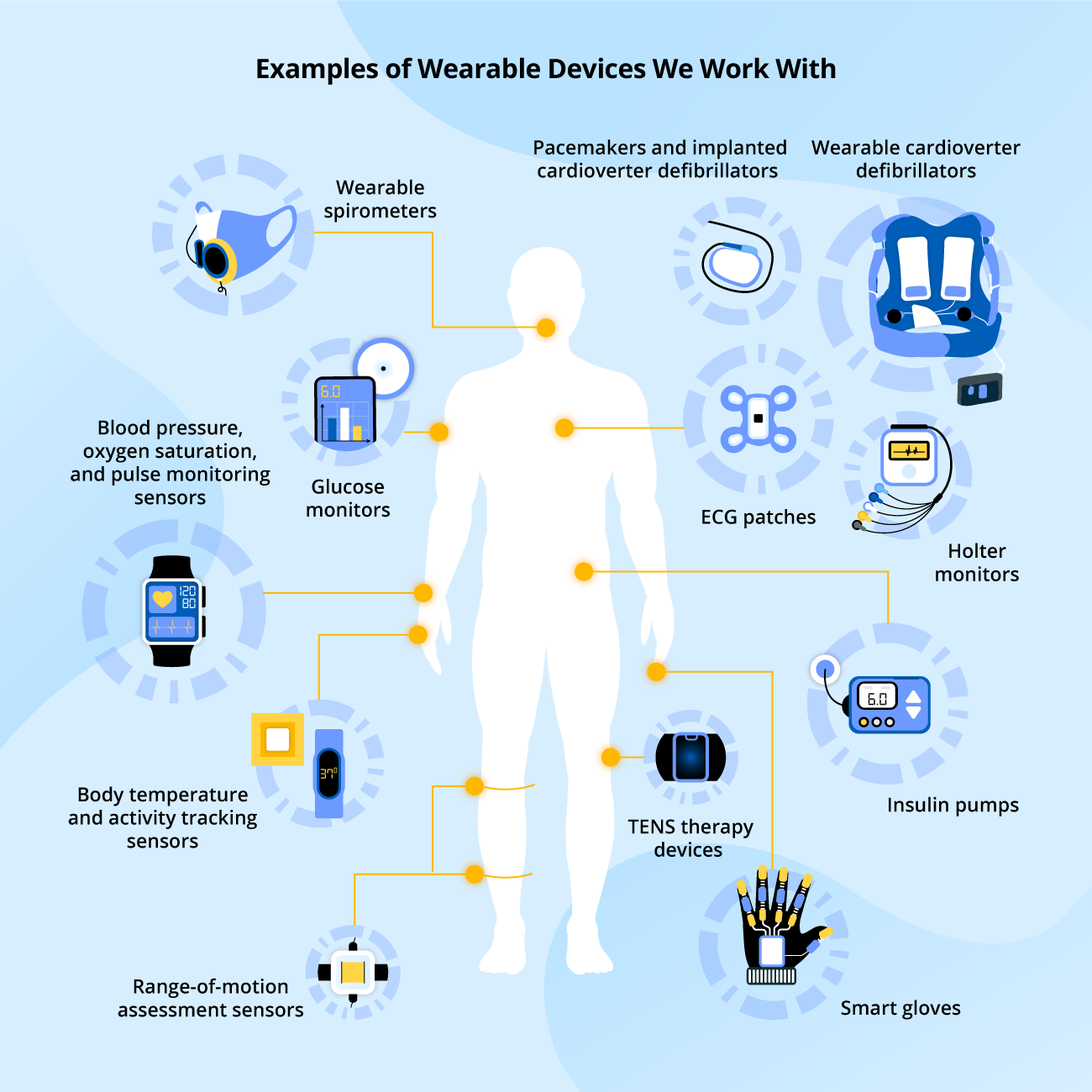
The next wave of innovation brings us digital twins (virtual replicas of real systems), biotech integration, and wearable devices that monitor health, fitness, and environment in real time.
These tools promise breakthroughs in healthcare delivery, personalized education, and community awareness, creating new ways to live smarter and healthier.
Conclusion
Technology is advancing at a pace unseen in human history. From AI and quantum computing to sustainability and security, each trend reshapes how we live and connect.
At CMN, we see these innovations as opportunities — to empower communities, bridge digital divides, and promote responsible, inclusive development.
Because the future isn’t just about smarter machines — it’s about smarter, more connected people.